

In marketing, building a bond with your audience is one of the keys to success. Coca-Cola, known for its red cans and long-running slogans, took this further than most with its “Share a Coke” campaign.
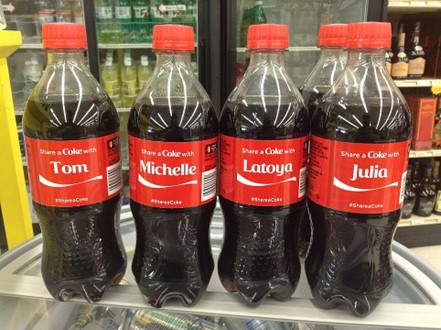
The campaign replaced the Coca-Cola logo on one side of the bottle with the words “Share a Coke with…” followed by a person's name.
It was first launched in Australia in 2011 and later rolled out in many other countries. It changed how brands thought about personal connection with customers.
In this article, we look at what made the campaign work, personalisation and emotional connection, and how working adults can use the same lessons in their presentations.
1. Personalisation: make it about them
Coca-Cola recognised that people like to feel seen as individuals. By putting names on bottles, the brand turned buying a drink into a personal gesture. People went looking for their own name and for bottles to share with friends, family and colleagues.
How to apply it in your presentations
As a presenter, you can do the same by shaping your content around the people in the room.

Use people's names. Acknowledge specific audience members by name where you can. It creates an instant connection and shows you value them being there.

Tailor your examples and stories. Use examples that relate to your audience's work and challenges. It shows you understand their world, and helps them see why your message matters to them.

Interact with your audience. Ask for their input, opinions or experiences on the topic. It makes the presentation feel personal and gets people taking part.
2. Emotional connection: stir feelings and memories
“Share a Coke” struck an emotional chord. By printing popular names in each country, Coca-Cola made the campaign feel inclusive and familiar to a wide audience.
As people searched for their own names, or the names of friends and family, the bottles became a reason to reach out and share a memory.
How to apply it in your presentations
You can build an emotional connection with your audience in three ways.

Tell stories. Share personal stories that tap into feelings everyone recognises. For example, you might describe a setback in your career and the disappointment and self-doubt that came with it, then what you learnt.

Use images that move people. A well-chosen photo or short video can add emotional weight that words alone can't.

Show empathy. Acknowledge your audience's challenges, concerns or goals. Show that you understand their point of view and that you are there to help.
3. Participation: turn your audience into advocates
One clever part of the campaign was how it turned customers into active participants. People posted photos of themselves with bottles bearing their names, and in doing so, promoted the brand for free.
How to apply it in your presentations
You can turn your audience into active participants too.

Make time for questions. Invite the audience to share their questions, thoughts and challenges. It gives them a sense of ownership of the discussion.

Encourage sharing. At events, invite people to share their key takeaways on social media with an event hashtag, and respond to them. It spreads your message beyond the room.

Share real results. Use testimonials or case studies from people who have acted on your message. Real stories show what is possible and encourage others to act.
4. Simplicity: make it easy to remember
The campaign also showed the strength of a simple idea. A name on a bottle needed no explanation. Anyone could understand it straight away.
How to apply it in your presentations

Keep your message clear and short. Avoid jargon or technical terms that could confuse people. Use plain, everyday language.

Keep your slides simple. Use a clean layout and only the visuals that support your key points. Slides should help understanding, not overwhelm it.

Focus on your key takeaways. Decide on the one or two things you want people to remember. Repeat them through the presentation and sum them up at the end with clear next steps.
What presenters can learn from Share a Coke

“Share a Coke” showed how personalisation and emotional connection can turn a marketing campaign into something people talk about and share.
As presenters, we can use the same lessons: make it about the audience, connect with their feelings, get them involved, and keep the message simple.
Related guides
About Speak Sell Succeed
Speak Sell Succeed teaches public speaking, presentation and communication skills to working adults in Singapore. Every course is taught in person by our founder, Iwan Yang, at our centre in Tanjong Pagar. Iwan has more than ten years of speaking and training experience and has personally trained more than 3,000 people.
Personalising a presentation starts with knowing who you are speaking to. In our Engage Audience with Confident Business Presentations course, you begin with your objective and your audience, then build your slides and delivery around them, with feedback from Iwan.
Eligible Singapore Citizens can use SkillsFuture Credit for our courses, and NTUC members can claim UTAP. See upcoming course dates or message us on WhatsApp if you would like help choosing.
Frequently asked questions
What does personalisation mean in a presentation?
It means shaping your content around the people in the room: using their names, examples from their work and the problems they care about, so the message feels made for them.
How can I personalise a presentation for a large audience?
Research who will be there, use examples from their industry or roles, ask the room questions and refer back to their answers.
What can presenters learn from the Share a Coke campaign?
Make it about the audience, connect with their feelings, get them involved and keep the message simple.
Should I use personal stories in a work presentation?
Yes, if they are short and relevant. A personal story makes your message more human and easier to remember.